Blog
Electric Dirt Bike vs Gas Dirt Bike Comparison
When it comes to off-road riding, the debate between electric dirt bike vs gas dirt bike comparison is heating up. Both types of bikes offer unique advantages, and choosing the right one depends on your preferences, riding style, and intended use. In this comprehensive comparison, Electric Dirt Bike USA will break down the key differences between electric and gas dirt bikes, helping you make an informed decision about which is best suited for your off-road adventures.
Electric Dirt Bike vs Gas Dirt Bike Comparison
Performance
Electric Dirt Bike: Electric dirt bikes have come a long way in terms of performance. With the latest advancements in motor and battery technology, modern electric dirt bikes can match the power output of gas-powered bikes in many cases. These bikes typically offer:
Instant torque: Electric motors deliver power immediately, providing smooth acceleration and a responsive riding experience.
No gear shifting: Most electric dirt bikes have automatic transmission, making them easier to ride for beginners.
Quiet operation: Electric dirt bikes are much quieter than gas bikes, making them ideal for trails that require less noise or noise-sensitive areas.
Gas Dirt Bike: Gas-powered dirt bikes have been around for much longer, and they are often chosen for their:
Powerful engines: Gas bikes typically have more horsepower than their electric counterparts, which is ideal for riders who need maximum speed and power for more challenging trails.
Long-range capability: Gas dirt bikes can run for much longer periods without needing a refuel, giving them an advantage in remote areas where charging may not be possible.
More variety in engine sizes: Gas bikes come in a wider range of engine sizes, which allows riders to choose the right bike based on their performance needs.
Maintenance and Operating Costs
Electric Dirt Bike:
Low maintenance: Electric dirt bikes have fewer moving parts compared to gas bikes, which means less frequent maintenance. You won’t have to worry about engine oil changes or carburetor adjustments.
Charging costs: Charging your electric dirt bike costs significantly less than refueling a gas bike. Electricity is cheaper than gasoline, and the cost per ride is much lower.
Battery replacement: While electric bikes have fewer maintenance needs, the battery is one part that may need to be replaced after several years, which can be an expensive investment.
Gas Dirt Bike:
Higher maintenance: Gas dirt bikes require more maintenance. You’ll need to regularly check the engine, change the oil, clean the air filter, and maintain the carburetor.
Fuel costs: The cost of fuel for a gas dirt bike is significantly higher than the cost of electricity for an electric dirt bike. Over time, this can add up, especially if you ride frequently.
Longer lifespan for engine: Gas engines tend to last a long time if maintained properly, though the bike will require regular tune-ups and parts replacement.
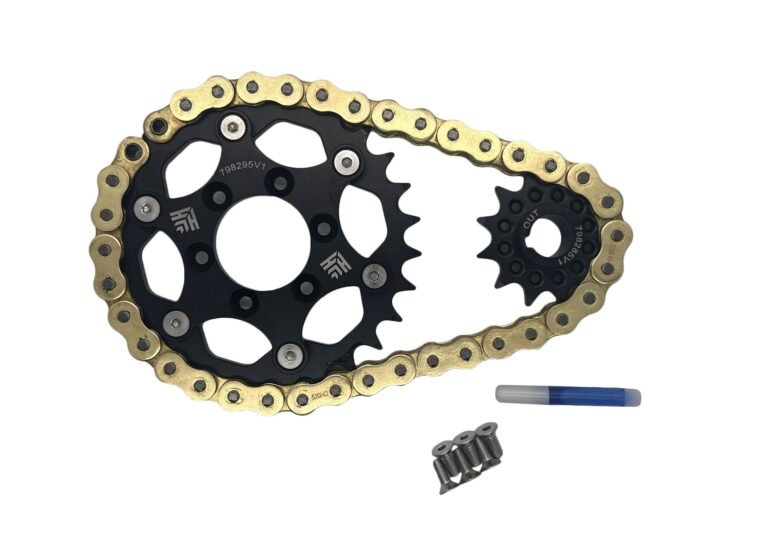
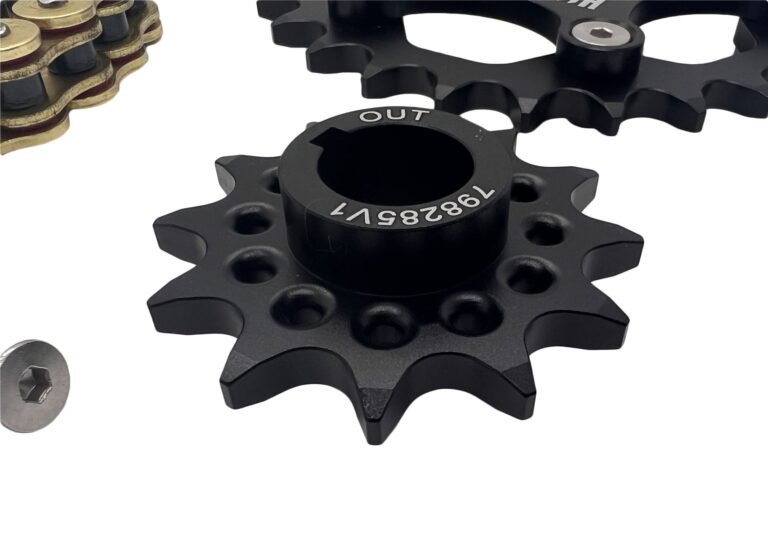
*NEW* Heavy Hitter 520 Primary Chain Drive Conversion
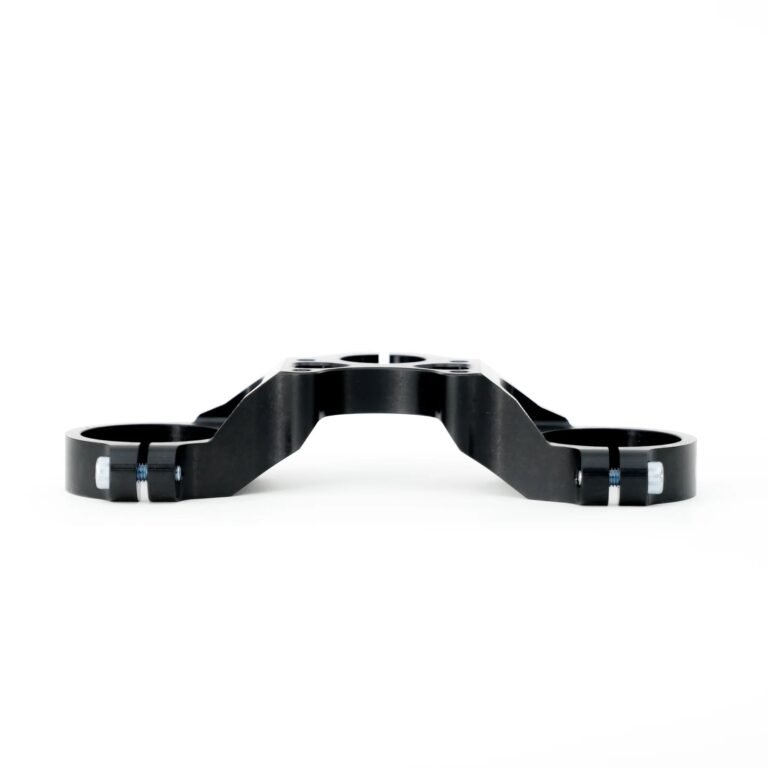
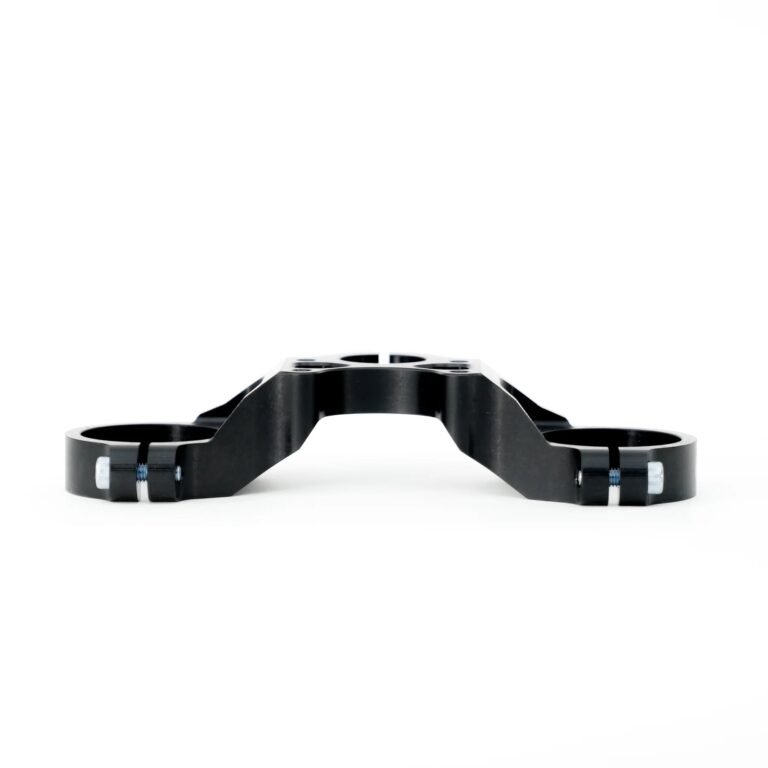
1″ Drop Crown for FastAce and Talaria Factory Forks
Environmental Impact
Electric Dirt Bike:
Eco-friendly: One of the biggest advantages of electric dirt bikes is their environmentally friendly nature. They don’t produce emissions while operating, which makes them ideal for eco-conscious riders.
No fuel consumption: Since they don’t rely on gasoline, electric bikes don’t contribute to air pollution, making them a sustainable choice for outdoor enthusiasts who care about the environment.
Gas Dirt Bike:
Fuel emissions: Gas-powered bikes emit carbon monoxide and other pollutants, contributing to air pollution. This is a significant downside for riders looking to reduce their environmental footprint.
Fuel consumption: Gas bikes rely on fossil fuels, which are not renewable resources. While the infrastructure for refueling is more widespread than electric charging stations, it still contributes to the overall environmental impact.
Noise and Ride Experience
Electric Dirt Bike:
Quieter ride: One of the most noticeable differences between electric and gas dirt bikes is the noise level. Electric dirt bikes are much quieter, which can be a big advantage if you’re riding in areas where noise is restricted or you want a more peaceful riding experience.
Smooth acceleration: Electric dirt bikes offer smooth, consistent power delivery with no jerky shifting or power loss.
Gas Dirt Bike:
Loud operation: Gas dirt bikes are significantly louder, which can be fun for riders who love the roar of a gas engine but may be a disadvantage in areas where noise is a concern.
Vibration and engine noise: While some riders enjoy the feel and sound of a gas engine, it can be more tiring and less smooth compared to the instantaneous torque of an electric motor.
Range and Fueling
Electric Dirt Bike:
Limited range: The range of an electric dirt bike is one of its primary drawbacks. While technology is improving, electric bikes still need to be recharged every few hours. The typical range can vary from 30 to 80 miles, depending on the model and riding conditions.
Charging time: Charging an electric dirt bike can take several hours, depending on the battery size and charger. This makes it less convenient for long rides, especially in areas without access to charging stations.
Gas Dirt Bike:
Longer range: Gas dirt bikes can typically run for several hours on a single tank of gas, depending on the bike’s engine size and fuel efficiency. This makes them ideal for long rides and remote areas.
Quick refueling: Refueling a gas bike is quick and easy, and you can find gas stations almost everywhere, making it more convenient for long-distance off-roading.
Cost Comparison
Electric Dirt Bike:
Initial cost: Electric dirt bikes can be more expensive upfront due to the advanced technology and high-performance electric motor systems. However, prices have been coming down as the market grows.
Lower operating costs: Although the initial cost may be higher, electric dirt bikes have lower operating costs, thanks to less maintenance and cheaper charging.
Gas Dirt Bike:
Lower initial cost: Gas-powered dirt bikes are often more affordable upfront compared to electric dirt bikes, especially in the entry-level category.
Higher operating costs: Over time, the operating costs for a gas dirt bike can add up due to fuel, oil changes, and maintenance requirements.
Conclusion: Electric Dirt Bike vs Gas Dirt Bike
Both electric dirt bike vs gas dirt bike have their merits, and the right choice depends on your riding needs and preferences.
Choose an electric dirt bike if you’re looking for a quiet, low-maintenance, eco-friendly ride with instant torque and smooth acceleration. They’re perfect for riders who want a sustainable and low-cost option for short off-road rides.
Choose a gas dirt bike if you need long-range capability, prefer the power and sound of a gas engine, and don’t mind the additional maintenance and fueling costs. Gas bikes are better suited for long-distance and intense off-road adventures.
At Electric Dirt Bike USA, we offer a wide range of electric dirt bikes that can meet a variety of needs. Whether you're a beginner or an experienced rider, we can help you find the perfect bike for your next adventure.